Source Blackboard Writing Mugs for Office, School, and Gifts
Find 30 blackboard writing mug options from China suppliers. Compare ceramic mugs with glaze finishes, single-layer structures, and customizable designs for daily use, promotions, and business gifts. Check specs like 11oz and 14oz capacities; compare the available evidence and request quotations based on your requirements.
Key considerations
Products List


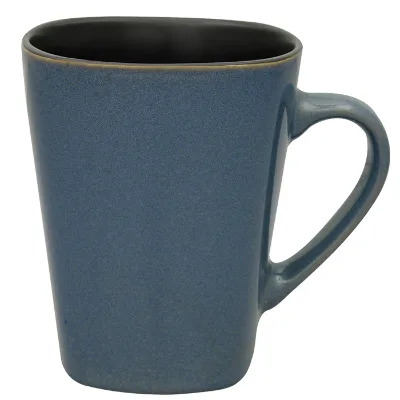








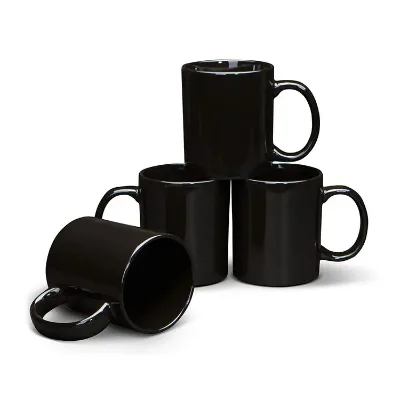
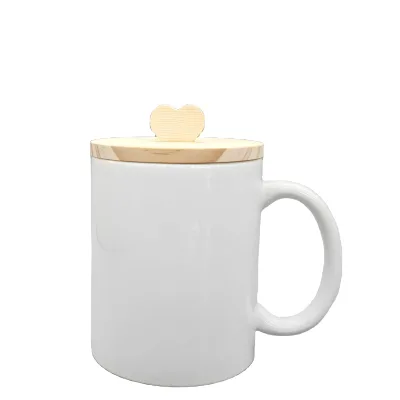

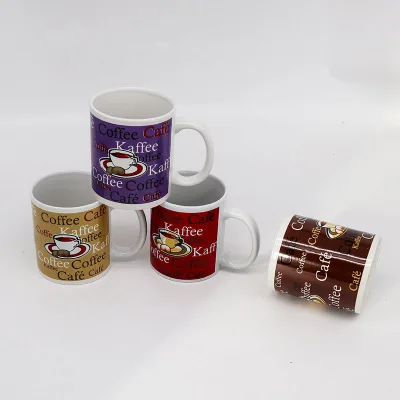
Comprehensive Sourcing Guide
Blackboard Writing Mug Sourcing Guide
The blackboard writing mug market features ceramic vessels designed for promotional branding and daily utility, often utilizing a matte black finish to simulate a chalkboard surface. These items are typically constructed from stone ware or kaolin-based ceramic materials, offering a durable single-layer structure suitable for office, home, and gift applications. Buyers should note that while the core function is writing on the surface, the product category also encompasses standard ceramic mugs with specific decorative finishes intended for business gifts or back-to-school events.
Procurement strategies must account for the variability in customization options, as many listings indicate that personalized printing and color variations are available. The observed product range includes both multicolor and unicolor designs, with some units featuring handles and others designed for specific grip styles. Sourcing teams should verify that the "blackboard" aesthetic is achieved through a specific glaze technique rather than a temporary coating, ensuring the surface remains durable enough for repeated writing and erasing without compromising the ceramic integrity.
Product Scope and Observed Listing Signals
Buyers must distinguish between mugs marketed specifically for writing and those that are simply black ceramic mugs with a matte finish. The observed listings reveal a mix of product types, including standard coffee mugs and specialized mugs with black interiors, which may not all support the same writing surface quality. It is critical to confirm whether the "blackboard" capability is a primary feature or a secondary aesthetic, as some products are listed primarily for general daily use or decoration rather than interactive writing applications.
The packaging and presentation signals vary significantly across suppliers, ranging from simple white boxes to more elaborate cylinder or grid boxes. Some listings specify a single package size of 45x45x45 cm, which suggests bulk shipping considerations, while others indicate individual white box packaging with safety measures. Procurement teams should analyze these packaging details to ensure they align with their logistics requirements, as the inclusion of accessories like handles or specific packing materials can impact the final landed cost and presentation value for end consumers.
Technical Specifications to Verify
Technical due diligence requires confirming the exact dimensions and volume capacity of the mug to ensure it meets functional expectations. Observed specifications include standard sizes such as 11oz and 14oz, with physical dimensions like 13.7x10.5cm noted for certain models. Buyers should verify that the listed capacity matches the actual usable volume, as discrepancies can affect customer satisfaction, particularly for promotional items where the mug serves as a functional gift rather than just a display piece.
The material composition and structural integrity are equally critical, with listings citing stone ware, kaolin, and general ceramic as primary materials. The glaze technique is a key differentiator, as it determines the surface texture and the ability to accept chalk or dry-erase markers. Sourcing teams must request samples to test the "single-layer ceramic cup" structure for thermal retention and to ensure the glaze is dishwasher safe, as some promotional ceramics may degrade or lose their writing surface after repeated washing cycles.
Compliance and Safety Documentation
Safety compliance for ceramic mugs intended for food and beverage use necessitates verification of lead and cadmium leaching limits, even if specific certification documents are not explicitly listed in all product descriptions. While some background data mentions FSC certification, this is generally relevant to paper packaging rather than the ceramic vessel itself. Buyers should explicitly request food safety test reports from suppliers to confirm that the glaze and the ceramic body meet international safety standards for direct contact with hot liquids.
Documentation regarding the origin of materials and the manufacturing process is essential for supply chain transparency. The observed data points to Fujian, China, as a primary origin, which is a major hub for ceramic production. Procurement teams should ensure that the supplier can provide traceability for the kaolin and stone ware materials used, as well as confirmation that the production facilities adhere to local environmental and labor regulations. This verification helps mitigate risks associated with supply chain disruptions and ensures the product meets the ethical sourcing standards of the buyer's market.
Cost Drivers and Commercial Terms
The cost of blackboard writing mugs is heavily influenced by the level of customization and the complexity of the glaze application. Listings indicate a wide price range, suggesting that factors such as the specific color finish, the inclusion of handles, and the type of packaging significantly impact the unit price. Buyers should anticipate that custom branding, such as printing on the matte black surface, will incur additional setup and per-unit costs compared to standard unbranded inventory.
Minimum Order Quantities (MOQ) and payment terms are critical commercial variables that vary by supplier and order volume. Observed MOQs range from 48 to 5000 pieces, with some specific listings requiring a minimum of 500 pieces. Procurement teams must negotiate these thresholds carefully to balance inventory risk with unit cost savings. Additionally, the lead time and shipping terms should be clarified, as the fragility of ceramic products often requires specialized packaging and handling, which can affect the overall logistics cost and delivery schedule.
Supplier Qualification and Quality Control
Supplier qualification should focus on their ability to maintain consistent glaze quality and color accuracy across large production runs. Since the "blackboard" effect relies on a specific matte finish, any variation in the firing process or glaze mixture can result in a surface that is either too glossy or too porous for writing. Buyers should request a pre-production sample that matches the exact color and texture specifications before authorizing a full production run to ensure the visual and functional requirements are met.
Quality control protocols must include rigorous inspection of the ceramic body for cracks, chips, and glaze defects. The observed data mentions various packaging types, but the internal protection of the mug during transit is paramount. Sourcing teams should verify that the supplier employs a robust quality assurance process that includes random sampling and destructive testing to ensure the mugs are dishwasher safe and durable. Establishing a clear defect rate tolerance and a remediation plan for non-conforming goods is essential for maintaining supply chain reliability.
Long-Term Procurement Checks
Long-term procurement success depends on establishing a stable relationship with suppliers who can consistently deliver high-quality ceramic mugs over time. Buyers should conduct periodic audits or request updated quality reports to ensure that the supplier's manufacturing processes have not drifted from the agreed-upon standards. This is particularly important for promotional items where brand reputation is tied to the quality of the gift, and any decline in product quality can negatively impact the client's perception.
Market trends and material availability should be monitored to anticipate potential supply chain disruptions or cost fluctuations. The ceramic industry is subject to changes in raw material costs, such as kaolin and glaze components, which can affect pricing and lead times. Procurement teams should maintain a diversified supplier base and regularly review the product specifications to ensure they remain competitive and aligned with evolving consumer preferences for eco-friendly and functional promotional merchandise.
FAQs
Can blackboard writing mugs be customized for promotional use?
Yes, customization is available for these ceramic mugs to suit promotional needs. The products support customized designs and feature simple styles with eco-friendly materials. They are suitable for daily use, health care, and business gifts, allowing buyers to tailor the appearance for specific marketing campaigns or corporate events effectively.
What materials are used to make these ceramic mugs?
These mugs are crafted from high-quality stone ware and kaolin ceramic materials. The construction features a single-layer structure with a glaze finish, ensuring durability and a smooth surface. The material choice supports both aesthetic appeal and functional performance, making them ideal for holding hot beverages in office or home settings.
Are these mugs safe for use in dishwashers?
Yes, these ceramic mugs are dishwasher safe, ensuring convenient cleaning and maintenance. The glaze finish and sturdy ceramic construction withstand regular washing cycles without damage. This feature makes them practical for daily use in offices, hotels, or homes, reducing the effort required for upkeep while maintaining their appearance over time.
What packaging options are available for bulk orders?
Multiple packaging options are available, including white boxes, color boxes, cylinder boxes, and grid boxes. Standard packing often involves one piece per white box with safety materials, while larger orders may use cartons. These flexible packaging solutions protect the mugs during transit and allow for tailored presentation based on specific buyer requirements or gift needs.
What are the standard sizes for these ceramic mugs?
Standard sizes include 11oz and 14oz capacities, with specific dimensions such as 13.7*10.5cm for certain models. The 14oz variant features a black interior and a handgrip structure. These specifications cater to different beverage preferences, allowing buyers to select the appropriate volume and physical dimensions for their target audience or application needs.
Where are these ceramic mugs manufactured?
These mugs are manufactured in Fujian, China, leveraging local expertise in ceramic production. The origin ensures access to established supply chains and manufacturing capabilities. Buyers can rely on this location for consistent quality and production capacity, with various models available to meet diverse international standards and sourcing requirements for promotional or daily use items.